

The Institute of Cell Biology
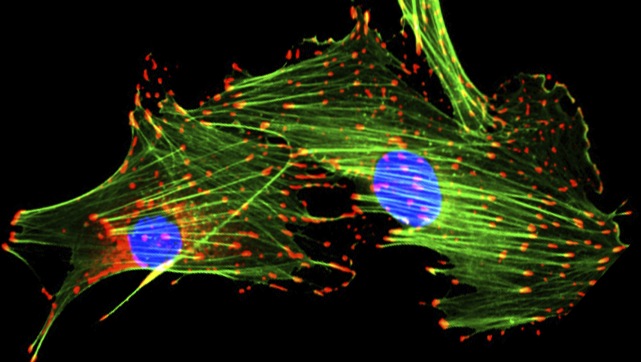
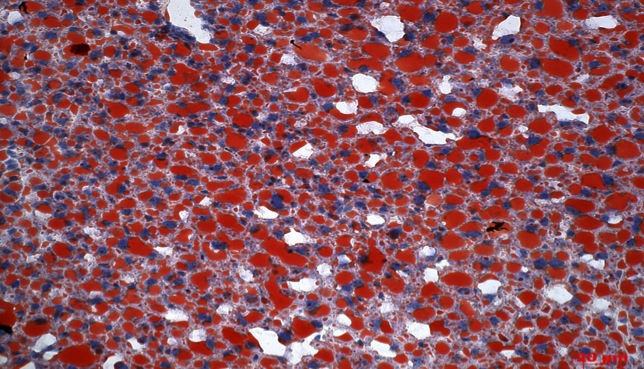
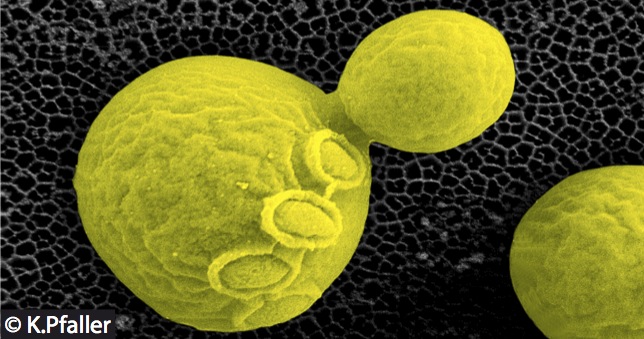
The Institute of Cell Biology is part of the Biocenter at the Medical University of Innsbruck. Our research groups study molecular mechanisms that maintain cellular function and organisation. Our research groups study molecular mechanisms that maintain cellular function and organisation. To address these fundamental questions, we use a combination of genetic model systems (yeast, mouse and human cells), microscopy and quantitative proteomics. We provide an international and dynamic research environment for Master and PhD students as well as postdoctoral fellows. We also coordinate the international MCBD (Molecular and Cellular Biology of Disease) PhD programme and the Cellular Basis of Diseases (DOC82) doc.funds programme. In addition, we are involved in several EU projects, we have numerous national and international academic partners and work together with biotech companies. We promote scientific partnerships between basic research and hospitals.
For more information about us, our research and our teaching activities, please visit the homepage of the institute of Cell Biology: https://cellbiology.i-med.ac.at/
 |
 |
 |
Funding